
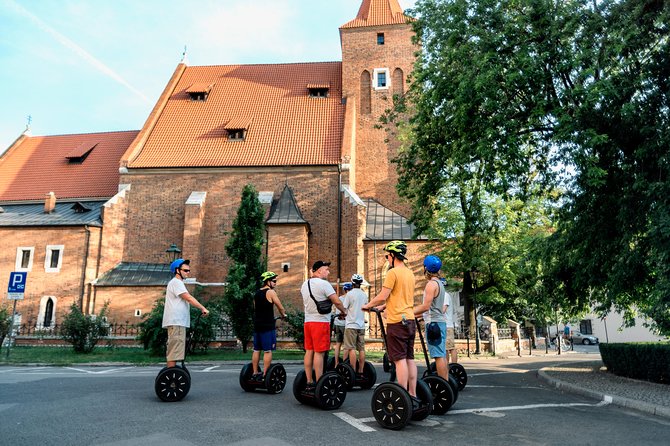
Review · WARSAW
Segway Tour Warsaw: Full Tour – 3-Hours of Magic!
Warsaw is spread across a wide area, and this three-hour Segway tour gives you a quick, entertaining way to connect its historic center, royal sights, Jewish heritage sites, and 20th-century landmarks. You receive full training before the tour begins, so you do not need prior Segway experience.
I especially like the chance to cover far more ground than you could on foot, and I like that guides such as Nikita, Renata, Paul, and Przemek bring humor and clear historical explanations to the ride. The main consideration is pace: most stops last about five minutes, so this is an overview with short visits, not a series of museum tours.
Key points to know before you book
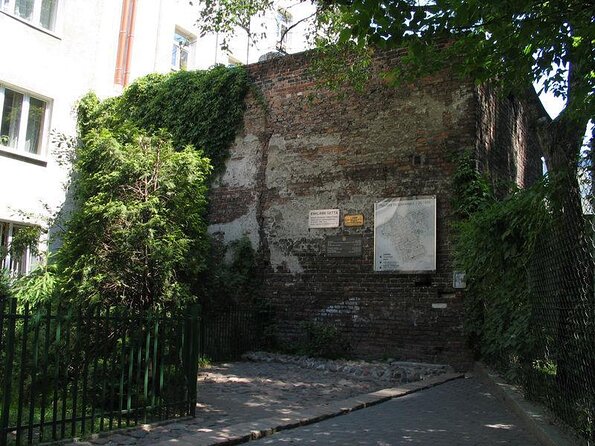
- Three hours covers a surprisingly broad route: You ride between Old Town, the Royal Castle, the former Jewish Ghetto, Saxon Gardens, Grzybowski Square, and the Palace of Culture.
- Training is separate from tour time: You learn how to use the Segway before the official three-hour experience begins.
- The guides are a major part of the appeal: Nikita is praised for his humor and city knowledge, while Renata, Paul, Przemek, and Francisco are also noted for patient, engaging guidance.
- Most stops are brief: Expect a quick explanation, a look around, and perhaps photographs before moving on.
- It works well for families and beginners: Children aged 10, 11, 12, 13, and 15 have all been specifically mentioned as enjoying the ride.
- Bring layers and gloves in cool weather: Riding can feel chilly once the sun goes down, and raincoats are supplied if conditions turn wet.
Why a Segway makes sense in spread-out Warsaw
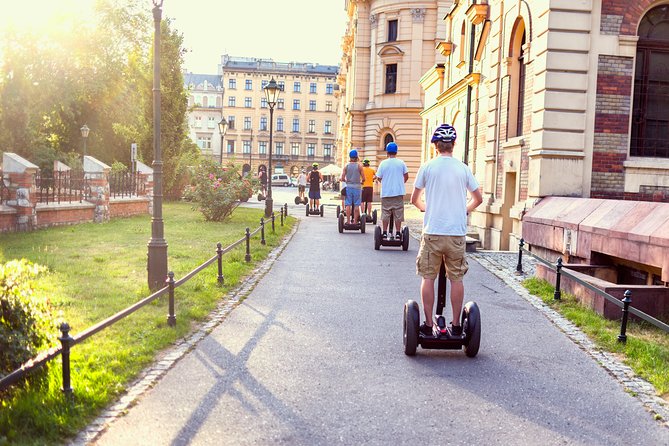
Warsaw’s sights do not sit in one compact postcard zone. Old Town, the Royal Route, the former Jewish Ghetto, the Palace of Culture, and the northern riverfront area all require time and energy to connect. A Segway lets you travel between them without spending much of your visit waiting for trams or walking long stretches between landmarks.
I see this tour as a city orientation ride first and a sightseeing tour second. You get a broad look at Warsaw, hear the basic story behind important places, and start recognizing the city’s layout. That can help later when you explore on foot or use public transport.
The pace also keeps the experience lively. You are not standing in one spot for an hour while a guide gives a long lecture. Instead, you ride, stop, listen, look, and continue. The tradeoff is that five minutes is not enough for a full visit to any major museum or monument. If you want detailed time inside POLIN Museum or the Royal Castle, plan a separate visit.
Other segway rides we rate around Poland
- Krakow: Old Town Guided Segway Tour
★ 4.7 · 756 reviews - Krakow Old Town Segway Tour 2hr with Training, Safety Gear, Guide
★ 5.0 · 435 reviews - Krakow: Jewish Quarter Segway Tour
★ 4.8 · 271 reviews
Starting on Chmielna Street
The meeting point is Chmielna 2, 00-020 Warszawa, in central Warsaw. The tour ends back at the same place, which is useful because you do not need to arrange a taxi or figure out a new route at the end.
Before setting off, you receive Segway instruction and practice. This training does not count against the three-hour tour time, an important detail if you are nervous about balancing on the machine. Beginners often need only a short period to feel comfortable, but the guide’s patience matters, especially when a family or mixed-ability group is learning together.
The tour uses original Segway devices and provides helmets. The maximum group size is 20 people, though the experience can feel much smaller when fewer people book. On some dates, one person has received a private ride rather than having the tour canceled, but you should not assume that will happen.
New Town, Old Town, and the Royal Castle
The route begins around New Town Square, where you get your first look at Warsaw’s reconstructed historic center. From here, you move toward the Royal Castle, the former home of Polish monarchs and one of the defining buildings around Castle Square.
The Royal Castle stop is mainly an outside orientation point rather than a museum visit. You can see the setting, hear the story, and decide if you want to return later for the interior. This is a good example of how the tour works: it helps you identify major sights without using up your whole day indoors.
You then reach Castle Square, with its open view toward the castle and the tall Sigismund’s Column. The column honors King Sigismund III Vasa, who moved Poland’s capital from Kraków to Warsaw in the late 16th century. These short stops give you the basic landmarks and leave you with time to take photographs.
The Warsaw Mermaid adds a more local note. You will see one of the city’s best-known symbols and hear the connection between the mermaid and Warsaw’s identity. The nearby Barbican provides a look at the old defensive walls, though again, the stop is brief. You will have time to see the structure and understand its place in the old city, but not to study every architectural detail.
The Royal Route and Warsaw’s public spaces
From Old Town, the ride continues toward the Presidential Palace, an important building along Warsaw’s ceremonial route. The stop gives you a sense of how the city links its historic center with government buildings and grand public spaces.
At the Tomb of the Unknown Soldier, the focus shifts to national memory. The monument honors unidentified Polish soldiers and sits beside Saxon Gardens, one of Warsaw’s oldest public parks. Saxon Gardens appears twice in the route information, so you may pass through or pause there at more than one point.
The gardens offer a welcome change from the hard surfaces of squares and streets. You can expect a quick look rather than a long park walk. Still, this section helps you see Warsaw as a city of open spaces, monuments, formal avenues, and green pockets.
The route also includes the Multimedia Fountain Park, a modern public space near the northern edge of the historic center. Depending on the time and conditions, you might find the fountain area quiet or more active. The tour treats it as one piece of the city’s present-day public life, set against the older architecture nearby.
Same streets, another route to glide:
- Warsaw Old Town 1.5-Hour or Full 3-Hour Segway Tour
★ 4.9 · 209 reviews - Segway Tour of Krakow: Full Tour (Old Town + Jewish Quarter) – 3-Hours of Magic!
★ 5.0 · 152 reviews - Segway Tour Krakow: Jewish Quarter Kazimierz- 2-Hours of Magic!
★ 5.0 · 125 reviews - Segway Tour Warsaw: Old Town Tour – 1,5-Hour of Magic!
★ 5.0 · 112 reviews
Jewish Warsaw: the Ghetto, POLIN, and Umschlagplatz
The most serious part of the tour is its route through sites connected with Jewish Warsaw and the Holocaust. You visit the former Warsaw Ghetto, the Monument to the Ghetto Heroes, POLIN Museum, and Umschlagplatz.
These locations deserve attention, but the short format limits how much detail the guide can provide at each one. I would treat this part as an introduction, then return on your own to POLIN Museum or other memorial sites if this history is important to you.
The Monument to the Ghetto Heroes is one of Warsaw’s most powerful memorials. It marks the site of the 1943 Warsaw Ghetto Uprising and honors those who resisted Nazi persecution. Nearby, POLIN Museum tells the long story of Polish Jewish life, not only the destruction of the Second World War. The museum requires a separate admission and a substantial block of time, so do not expect to tour its galleries during the Segway ride.
At Umschlagplatz, the guide can place you at the location from which Jewish residents were deported to death camps during the German occupation. This is not a light sightseeing stop, and the quick rhythm of the tour may feel abrupt here. Still, seeing these locations in relation to the rest of Warsaw can help you understand the city’s wartime destruction and the scale of the community that once lived there.
The tour also stops at the Monument to Maria Skłodowska-Curie, Warsaw-born scientist and two-time Nobel Prize winner. This offers a different view of Polish Jewish heritage and the city’s contribution to science. Together, these stops keep the story from being limited to buildings and royal symbols.
Uprising memorials and Krasiński Square
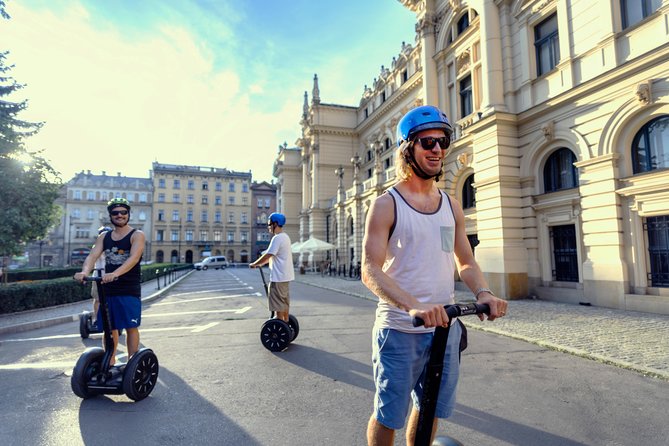
The route includes the Warsaw Uprising Monument, which honors the 1944 uprising against German occupation. You also visit Krasiński Square and the nearby Krasiński Palace.
The square is closely tied to the wartime story of Warsaw. It also gives you a sense of the city’s postwar reconstruction, since much of the historic center was destroyed and later rebuilt. A good guide can connect the monument, the square, and the surviving or reconstructed buildings without turning the stop into a long classroom lecture.
This is where a guide like Nikita or Przemek can make a real difference. The best feedback about them centers on their ability to explain past and present Warsaw in a way that is approachable. You can ask questions as you ride, and a patient guide can adjust the explanation for adults, teenagers, or first-time visitors.
Grzybowski Square and the Palace of Culture
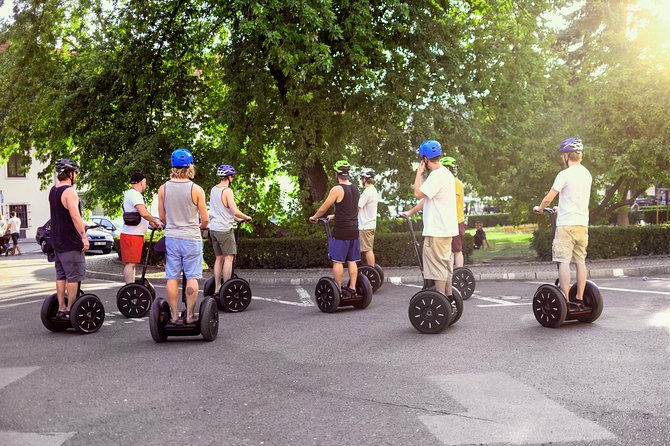
Later, the Segway takes you to Grzybowski Square, another place where layers of Warsaw’s story sit close together. From there, you continue toward the Palace of Culture and Science, the city’s most recognizable Stalin-era building.
The Palace of Culture is impossible to miss. Its scale and style can provoke strong opinions, but it is also a useful marker when learning Warsaw’s layout. A short stop lets you see how this enormous building relates to the modern city around it.
This section helps balance the older sights. Without it, you might leave Warsaw thinking only about reconstructed medieval streets and royal architecture. The Palace of Culture points to the postwar period and the city’s later growth.
What the three-hour timing really feels like
The listed route contains more than 20 points, with many stops planned for about five minutes. That means the experience depends heavily on the riding time between locations and on the guide’s ability to keep explanations focused.
You should expect a flowing route rather than a stop-start museum program. You will probably have time for photographs, a short explanation, and a quick look at each place. You will not have time to read every plaque, enter every building, or linger whenever something catches your eye.
That format suits me when I want a first look at a large city. It is especially useful at the beginning of a Warsaw visit, when you want to decide which places deserve a longer return visit. It is less suitable if you prefer slow sightseeing or want extensive historical commentary at every stop.
Guides, group size, and the riding experience
The guides are local and the tour is offered in English. Nikita receives especially strong praise for his enthusiasm, humor, and ability to explain Warsaw’s past and present. Renata is noted as friendly and effective with families, while Paul is praised for detailed explanations and for taking participants to places they might not find alone. Francisco and Przemek are also singled out for clear, engaging guidance.
The ride is designed for beginners. The training comes first, helmets are included, and several families have found the Segways easier to use than expected. One family with children aged 10, 12, and 13 found the activity a helpful way to orient themselves before using trams and walking around the city.
You need to meet the stated weight limits: at least 30 kilograms and no more than 135 kilograms. Most people can participate, but you should consider your comfort with standing and riding for three hours. Bring gloves in cool weather. Raincoats are available if the weather changes, but suitable shoes and layers are still sensible.
The tour has earned a 4.8 rating from 102 reviews, with 96 percent recommending it. That is a strong record, but the practical details matter more than the number. Confirm your date, time, and meeting point carefully. At least one serious complaint involved a booking-date mix-up and a shortened replacement route, while another concerned a missed meeting and a refund dispute. Those cases underline the value of checking your confirmation and keeping your phone available on tour day.
Is $115.62 a fair price?
At $115.62 per person, this is not a cheap way to get around Warsaw. You are paying for the Segway, instruction, helmet, a local English-speaking guide, and a route that covers a large part of the city in three hours.
The value is strongest if you have limited time, dislike long walks, or want a lively introduction before exploring independently. A private guide, if you happen to be the only person booked, makes the price easier to justify, but private treatment is not guaranteed.
The price is harder to justify if you mainly want to visit museums. Admission is not included, and you will still need separate time and tickets for the Royal Castle or POLIN Museum. Think of the tour as paid transport with interpretation and orientation, not as an all-inclusive museum experience.
Free cancellation is available up to 24 hours before the start time. Cancellations or changes within 24 hours are not refunded, and the operator may offer another date or a full refund if the minimum group size is not met.
Who should book this Warsaw ride?
Book it if you want to see many major sights quickly, enjoy a bit of fun while learning, or need help understanding how Warsaw’s districts fit together. It is a particularly good choice for families with older children and teenagers, first-time Segway riders, and visitors with only a few days in the city.
I would also recommend it near the start of your stay. Afterward, you can return to POLIN, the Royal Castle, the Warsaw Uprising Museum area, or any monument that caught your attention.
Skip it if you want long, quiet visits, detailed museum interpretation, or a slow walking tour. Also think twice if you are uncomfortable standing for extended periods or if the price feels high for an overview.
For most people who want a fast, friendly introduction to Warsaw, this is a smart use of three hours. You get the royal center, wartime memorials, Jewish heritage sites, parks, and modern Warsaw in one moving route, with enough guidance to know where to spend more time later.
FAQ
How long is the Segway tour?
The tour lasts approximately three hours. Segway training takes place before the tour and is not counted as part of those three hours.
Where does the tour start and finish?
It starts at Chmielna 2, 00-020 Warszawa, Poland, and finishes back at the same meeting point.
Is previous Segway experience required?
No. Training is provided before the tour begins, and the experience is designed for beginners.
What is included in the price?
The price includes a professional local guide, Segway use, training, a helmet, original Segway devices, raincoats in bad weather, and guaranteed access without long lines.
What are the weight limits?
The minimum weight is 30 kilograms and the maximum is 135 kilograms.
Can I cancel for a full refund?
Yes. You can cancel at least 24 hours before the scheduled start time for a full refund. Cancellations or changes made less than 24 hours before the start are not refunded.
Just added for riders around Poland
- Segway Tour Wroclaw: Ostrow Tumski Tour – 1,5-Hour of Magic!★ 5.0 · 2 reviews
- Krakow: 2h World War II, visiting the Ghetto segway tour★ 5.0 · 2 reviews
- Segway Tour Wroclaw: Ostrów Tumski Tour – 1,5-Hours of Magic!★ 5.0 · 3 reviews
- 2 Hour Super Segway City Tour of Warsaw★ 5.0 · 5 reviews
- Segway Tour Warsaw: Praga Tour – 2-Hours of Magic!★ 5.0 · 10 reviews
- Segway Rental 30 min, 60 min or 120 min in Krakow★ 4.5 · 8 reviews
- Offroad Segway Guided Krakow City Tour★ 5.0 · 35 reviews
- Jewish Quarter (Kazimierz) Segway Tour in Krakow★ 5.0 · 14 reviews
Warsaw Segway Tours: how they compare.
Warsaw Old Town 1.5-Hour or Full 3-Hour Segway Tour
Read our review →
Segway Tour Warsaw: Old Town Tour – 1,5-Hour of Magic!
Read our review →
Warsaw: 3-Hour Guided City Highlights Tour by Segway
Read our review →
Segway Tour Warsaw: Praga Tour – 2-Hours of Magic!
Read our review →
Find this segway ride in