
Review · GERMANY
Segway tour around the Werra horseshoe
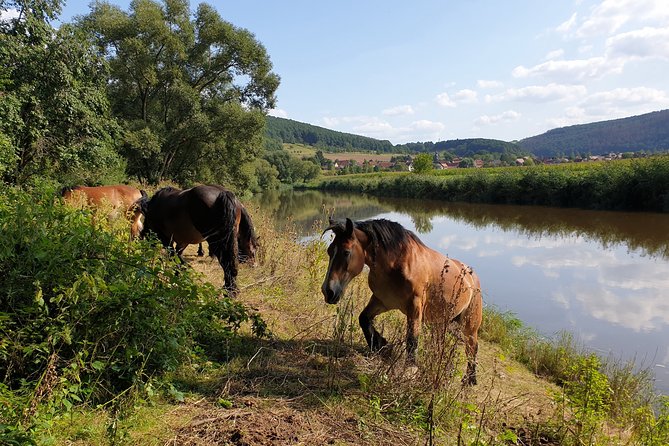
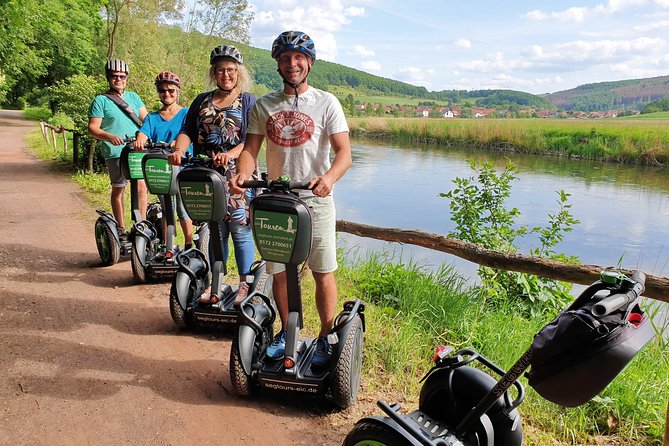
The most unusual part of this three-hour Segway ride is its mix of river scenery, village craft, and Cold War history. You glide from Wahlhausen into Lindewerra, a village known for making walking sticks, then follow the Werra horseshoe through the old border country between Thuringia and Hesse.
I like the small group size, limited to seven, and the way the route links several sights instead of circling one town. I also like the practical finish: coffee at the last stick maker in Lindewerra, with time to see different walking-stick models. The main caution is weather. This is an outdoor activity, and poor conditions can lead to a new date or cancellation.
Key points at a glance
- A river route with a Cold War past: Follow the Werra through the former inner German border area and see traces of the old division.
- Lindewerra’s unusual craft tradition: Learn why this village became one of Europe’s best-known stick-making centers.
- A view toward Ludwigsstein Castle: The Werra loop offers a strong photo stop with the castle in the distance.
- The Whisky-Vodka Line: Hear the story behind the old railway route and its memorable nickname.
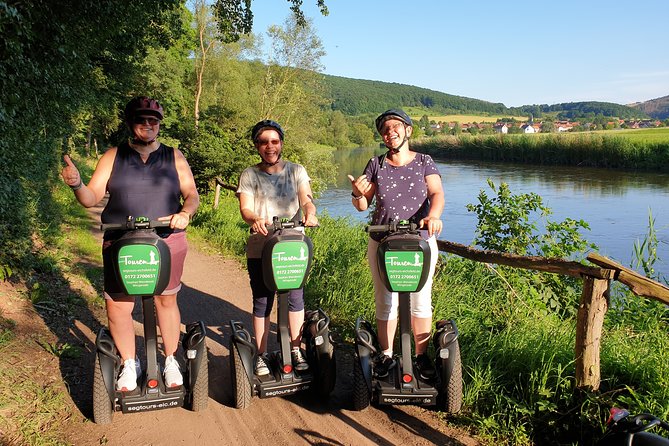
- A small group of no more than seven: The compact size should make the briefing and riding support more personal.
- Coffee at a working stick maker: Finish at Stockmanufaktur Michael Geyer, beside the Devil’s Pulpit.
Why this Werra tour is more than a Segway ride
A Segway tour can be little more than a novelty ride around a town center. This one has a better reason to exist. The machine gets you along the Werra quickly, while the route gives you several layers of local life: a rural river, a traditional craft, a railway crossing, and the former German border.
You begin in Wahlhausen, at Fritz-Huschke-von-Hanstein-Platz. After a short briefing, you follow the bike path toward Lindewerra. That opening stretch matters. You have a chance to get comfortable with the Segway before reaching the more interesting parts of the route.
I would not choose this activity only for speed. The appeal is the combination of easy outdoor movement and short history lessons. You are not simply looking at the Werra. You are learning why this quiet area once marked a major political divide.
The group limit of seven is another useful detail. A larger convoy can make a Segway ride feel awkward, especially when everyone needs room for instruction and stops. Here, you can expect a more manageable group and a better chance to hear the guide during the history portions.
Other segway rides we rate around Germany
- Dresden: Segway Tour Along the Elbe and Old Town
★ 4.9 · 392 reviews - Heidelberg: Philosophers’ Walk Guided Segway Tour
★ 4.8 · 322 reviews - Munich: City Highlights Guided Segway Tour
★ 4.6 · 266 reviews
From Wahlhausen to Lindewerra in 30 minutes
The first section starts with instruction at Wahlhausen. The briefing is important even if you have ridden a Segway before. You need to understand the controls, balance, stopping, and the way the group will move along the path.
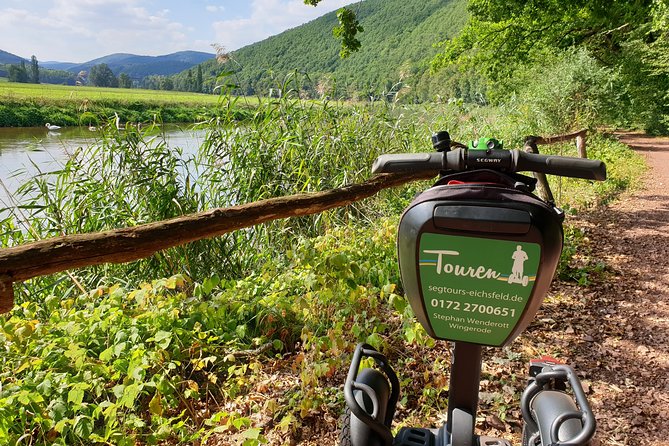
The tour then follows the bike path beside the Werra toward Lindewerra. This is a gentle introduction to the setting. You get river views and open countryside without being thrown straight into the longest part of the ride.
The route takes about 30 minutes at this first stop. That timing is useful for anyone who is unsure about Segways. You are not committing to a full three-hour ride before discovering how the machine feels.
The practical drawback is that the tour is built around riding, not walking. If you dislike standing on a Segway for extended periods, the three-hour duration deserves some thought. The information provided does not give a detailed breakdown of riding time versus stops, so ask the operator if you need a precise estimate.
Lindewerra and the village’s stick-making tradition
Lindewerra is the heart of the experience. It is known as a major stick-making village, and the tour uses that local trade as more than a quick photo backdrop.
You learn how stick making shaped the village and visit the area around the Werra loop. That gives the stop a strong sense of place. Instead of hearing a general story about rural Germany, you connect the village to a specific craft that still appears at the end of the tour.
The route continues around the Werra horseshoe toward the Whisky-Vodka Line. The name refers to the former railway connection and the border setting. The tour explains the history of the former inner German border as you ride, so the political past is tied directly to the roads, river, and railway you can see.
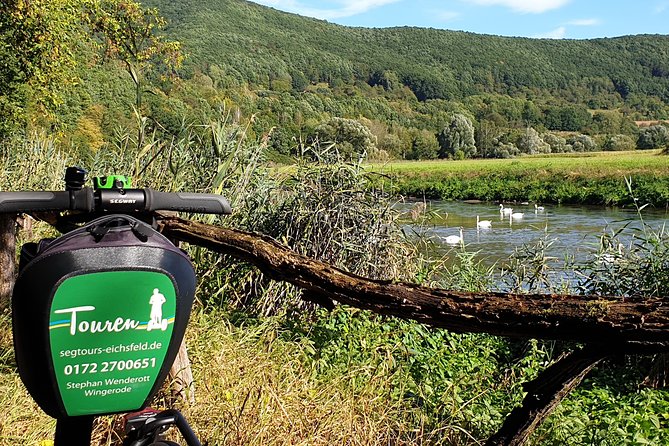
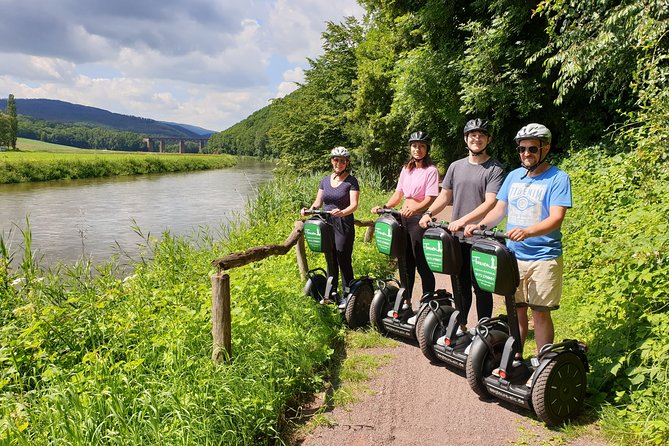
This is also the scenic center of the ride. From the Werra bank, you can take photographs toward Ludwigsstein Castle. The combination of water, wooded slopes, and the castle gives you one of the clearest reasons to bring a phone or camera.
I like this section because it avoids treating history as something locked inside a museum. You see the places that shaped it. The border story is likely to mean more when you are standing near the river and looking across a route once divided by the German border.
The stop lasts about 45 minutes. That is enough time for a proper explanation and photographs, though the exact balance depends on the group and pace. If photography is your main goal, tell the guide early. You may want a little more time at the Werra viewpoints.
The railway viaduct at Werleshausen
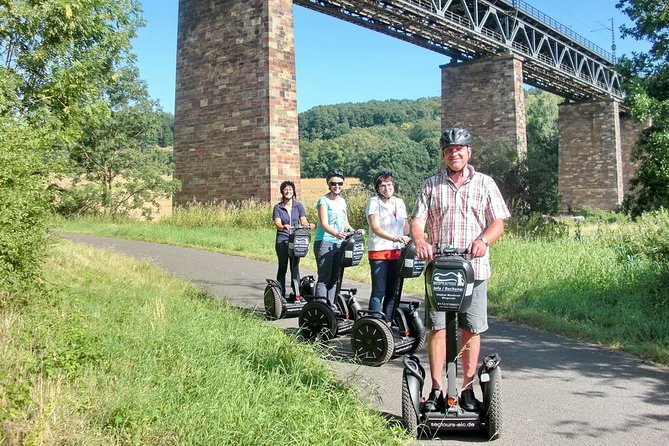
At Werleshausen, the focus shifts from the river and village craft to railway history. You discover the railway viaduct and hear more about the Whisky-Vodka railway line.
A viaduct is a useful sight on a tour like this because it gives the history a physical anchor. You can see the engineering structure while learning how the railway fit into the border area. The route does not ask you to study a map and imagine the past. It places the railway feature in front of you.
This part takes about 30 minutes. It breaks up the ride well, giving you another stop with a different subject. Lindewerra is about village work and the river. Werleshausen adds transport and division.
The description promises a surprise here, but it does not spell out what that surprise is. That is one detail I would leave open. The experience is likely better if you let the guide tell the story rather than searching for the answer before you arrive.
You should also keep expectations sensible. This is not presented as a long railway tour or a full border museum visit. The viaduct is one stop within a moving outdoor route. If you want an hour-by-hour study of the Cold War, you will need a more specialized history outing.
Same streets, another route to glide:
- Berlin 2-Hour Segway Tour
★ 4.6 · 238 reviews - Heidelberg & Neckar Valley: Segway Tour – 360 Degrees
★ 4.8 · 227 reviews - Munich 3-Hour Segway Tour: Nazi Munich & Royal Architecture
★ 4.9 · 194 reviews - Heidelberg Highlights Segway Tour with Castle
★ 4.8 · 191 reviews
Coffee at Stockmanufaktur Michael Geyer
The final stop brings you back to Lindewerra’s stick-making tradition. At Stockmanufaktur Michael Geyer, described as the last stick maker from Lindewerra, you stop for coffee in the shadow of the Devil’s Pulpit.
This is a thoughtful ending. After a ride filled with river views and historical explanations, you get a quiet pause connected to the village’s local trade. You can also view different walking-stick models, which makes the stop feel like a visit to a working craft business rather than a generic café break.
The supplied details say you enjoy coffee here, but they do not state whether the drink is included in the tour price. I would carry a payment card or some cash and confirm the arrangement when booking.
The Devil’s Pulpit adds another local point of interest, though the information does not describe a climb or a separate walk. Do not assume you will have time for an extended hike. The stop is presented as a coffee and craft visit within the tour.
For me, this is one of the most appealing features. It gives the ride a human ending. You leave with more than photographs of the Werra. You have seen the work that helped define Lindewerra.
What the $80.29 price delivers
At $80.29 per person, this is not a bargain-priced way to see a river. The value depends on whether you want the Segway itself and appreciate having a guide connect the scenery with local history.
The price covers an experience of about three hours, with instruction, a route through several places, guiding, and a small group capped at seven. You are paying for the equipment and the structure of the outing, not just access to a public bike path.
If you already have a bicycle and only want to ride beside the Werra, you could reasonably find the price hard to justify. The route’s strongest value comes from the combination of the Segway, the guide’s explanations, and the carefully linked stops.
The five-star rating shown for the activity is based on three reviews, so I would treat it as encouraging but not statistically broad. The comments consistently praise the briefing, organization, scenery, route, and friendly guide. One response from the provider is signed Stephan, but the supplied information does not clearly identify him as the guide for every departure.
That praise points to the most important practical issue: the introduction. A good Segway briefing can make the whole outing feel easy. A rushed one can make the first part uncomfortable. The available comments describe the instruction as clear and reassuring, which is a good sign, but you should still pay close attention before setting off.
Who will enjoy this best
I would recommend this tour to you if you like:
- A short outdoor adventure with a clear route
- Small villages and local crafts
- German border history explained at the actual sites
- Scenic photo stops rather than a nonstop ride
- Trying a Segway with an instructor present
- A half-day activity that finishes back where it started
It suits couples, friends, and small family groups who want something more active than a walking tour. The activity notes say most people can participate, and it is near public transportation.
You should think twice if you are uncomfortable standing for a long ride, dislike outdoor activities tied to weather, or want a detailed museum-style account of the border. The tour gives you history in the open air, in short sections. That is its strength, but also its limit.
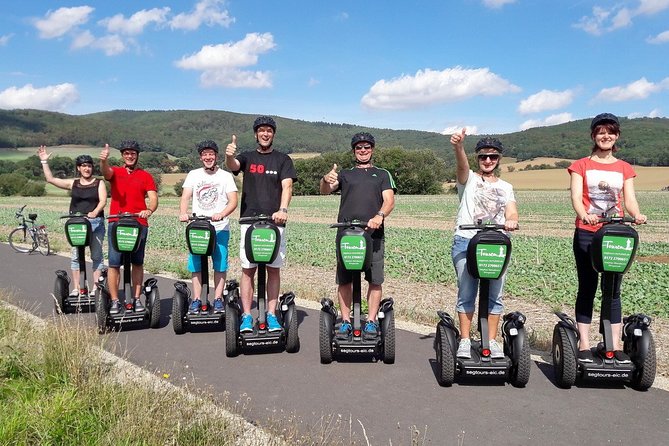
The group size helps people who are new to Segways. With no more than seven participants, the guide should be able to keep an eye on the group and answer questions without managing a crowd.
Timing, meeting point, and weather
The tour begins at Fritz-Huschke-von-Hanstein-Platz in 37318 Wahlhausen and ends back at the same meeting point. That return is convenient if you arrive by car or public transportation, since you do not need to arrange a separate pickup at the end.
The activity is listed as operating Monday through Sunday from 8:00 a.m. to 7:00 p.m., with the stated operating period running through June 16, 2026. Your exact departure time should be confirmed when you book.
Confirmation is sent within 48 hours, subject to availability. Since the experience is often booked about 21 days ahead, I would not leave it until the final day if your schedule is fixed.
Weather matters here. The tour requires good conditions, and poor weather can lead to a different date or a full refund. If you are building this into a tight German itinerary, keep a little flexibility around the booking.
You can cancel for a full refund up to 24 hours before the start time. Cancellations or changes within 24 hours are not accepted for a refund. The cut-off uses local time, so check the clock in Germany rather than relying on your home time zone.
How to get the most from the ride
Pay close attention during the briefing, even if you have used a Segway before. The first bike-path section toward Lindewerra is the place to settle into the controls and group pace.
Bring a phone or camera. The Werra bank, railway viaduct, and view toward Ludwigsstein Castle are all named photo opportunities. You may also want a small amount of money for the coffee stop, since the price information does not confirm that the drink is included.
Ask questions during the history portions. The former inner German border and the Whisky-Vodka Line are the details that turn this from a scenic ride into a local history tour. If you only focus on operating the Segway, you will miss much of what makes the route distinctive.
Wear clothing suitable for the weather and an outdoor ride. The supplied information does not list a special dress code or equipment requirement, so I would keep it simple and practical rather than arriving in formal clothing.
My verdict on Segtours Eichsfeld
I would book this if you want a compact, active outing with scenery and a real local subject. The best parts are the river loop, the story of Lindewerra’s stick makers, the view toward Ludwigsstein Castle, and the chance to see the railway viaduct while hearing how the border shaped the area.
The $80.29 cost makes the most sense when you value the Segway, the small group, and the guide’s interpretation. It makes less sense if you only want to see the river or prefer to explore at your own walking pace.
Book it for a clear-weather day, allow time to get comfortable with the machine, and keep the coffee stop in your plans. If you want a scenic ride with a surprising amount of regional history packed into three hours, this is a strong choice. If you want a long, detailed history lecture or a challenging ride, choose another activity.
FAQ
Where does the Segway tour start?
It starts at Fritz-Huschke-von-Hanstein-Platz, 37318 Wahlhausen, Germany.
Where does the tour finish?
The activity ends back at the starting meeting point in Wahlhausen.
How long does the tour last?
The tour lasts approximately three hours.
How many people can join the tour?
The maximum group size is seven participants.
What places does the route visit?
The route includes Wahlhausen, Lindewerra, and Werleshausen. It also includes the Werra loop, views toward Ludwigsstein Castle, the railway viaduct, and Stockmanufaktur Michael Geyer.
Is a Segway briefing provided?
Yes. The tour begins with a briefing on how to use the Segway before the group follows the bike path toward Lindewerra.
Is the tour available every day?
The listed operating hours are Monday through Sunday, from 8:00 a.m. to 7:00 p.m., during the stated operating period ending June 16, 2026.
What happens if the weather is poor?
Because the experience requires good weather, poor conditions may lead to a different date or a full refund.
Can I cancel for a full refund?
Yes. You can receive a full refund if you cancel at least 24 hours before the experience starts. Cancellations or changes made within 24 hours are not refunded.
Just added for riders around Germany
- Munich Third Reich and WWII Segway Tour★ 4.5 · 20 reviews
- Munich 2-Hour Segway Tour★ 5.0 · 15 reviews
- Segway tour Munich Beer Stories (3h)★ 5.0 · 3 reviews
- Beer Testing Segway Tour in Munich★ 3.5 · 2 reviews
- Munich’s Highlights 3-hour Segway Tour★ 5.0 · 76 reviews
- Segway Tour Munich Old Town 3 hours★ 4.5 · 10 reviews
- Munich Classic City Segway Tour (English or German Guide)★ 5.0 · 65 reviews
- 2-Hour Segway Discovery Munich Night Tour★ 5.0 · 2 reviews
Germany Segway Tours: how they compare.
Dresden: Segway Tour Along the Elbe and Old Town
Read our review →
Heidelberg: Philosophers’ Walk Guided Segway Tour
Read our review →
Heidelberg & Neckar Valley: Segway Tour – 360 Degrees
Read our review →
Munich 3-Hour Segway Tour: Nazi Munich & Royal Architecture
Read our review →
Find this segway ride in