
Review · MUNICH
Munich: Third Reich and World War II Segway Tour of the City
The most unusual part of this Munich tour is the way it links major Nazi-era sites across the city. Instead of sitting through a long lecture, you glide between Hitler’s former apartments, the Brown House, the Führer’s Building, and the site of the Old Synagogue while your guide explains what happened there. You also get a quick look at Munich’s royal center and a pub that stayed open through both world wars.
I like the small groups of up to 10 and the generous three-hour route. You cover far more ground than on a walking tour, and the Segway makes the trip feel playful without turning it into a simple joyride. Guides such as Abdel and Jamal have been especially patient with first-time riders. The main caution is that parts of the ride use roads and cycle tracks, and one rider found the traffic nerve-racking. Rain, snow, or cold can also make the outdoor experience less comfortable.
Key points to know before you book
- Hitler’s Munich years take center stage: See the locations of his apartments from 1920 to 1929 and from 1933, along with the Brown House and Führer’s Building.
- You receive practice before leaving: The guide gives a safety briefing and training session, which helps first-time riders gain control before entering the city.
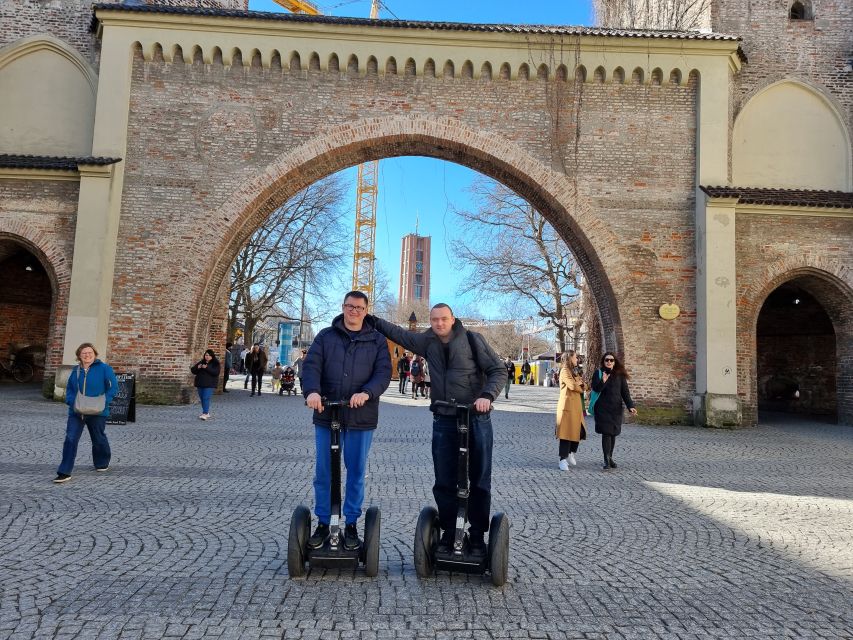
- The route covers a lot of ground: Königsplatz, Odeonsplatz, the Old Synagogue site, Schelling-Salon, and other central sights fit into three hours.
- The group stays small: A maximum of 10 people makes it easier to hear the guide and receive help with the Segways.
- The ride is best for confident adults: Children under 14 and pregnant women cannot take part, and some street riding may feel uncomfortable for nervous beginners.
- The price buys both transport and interpretation: At $100 per person, the tour costs more than a basic walking tour, but it combines city sightseeing, equipment, and live commentary.
Why a Segway works well for Munich’s difficult history
Munich’s Nazi-era story is spread across the city. Important places are not all gathered in one museum or square, so walking between them can take time and energy. A Segway lets you connect these locations in a single outing while still stopping often enough to hear the explanation.
That matters here. The tour is not mainly about pretty views or quick photographs. Its purpose is to show how Munich functioned as an important center of Hitler’s political rise, then place that story beside older Bavarian landmarks and everyday city life.
The Segway also gives the tour a lighter physical rhythm. You ride, stop, listen, and ride again. I like this format for a first day in Munich, especially if you want an orientation to central sights before choosing which ones deserve a longer visit.
The tradeoff is that you are always managing a vehicle. You cannot stare at a building for as long as you might on foot, and a nervous rider may focus more on steering than on the commentary. The guide’s patience is important, especially during the first part of the outing.
Other segway rides we rate around Munich
- Munich: City Highlights Guided Segway Tour
★ 4.6 · 266 reviews - Munich 3-Hour Segway Tour: Nazi Munich & Royal Architecture
★ 4.9 · 194 reviews - Munich Segway Tour
★ 5.0 · 181 reviews
Training with the Segway before entering the city
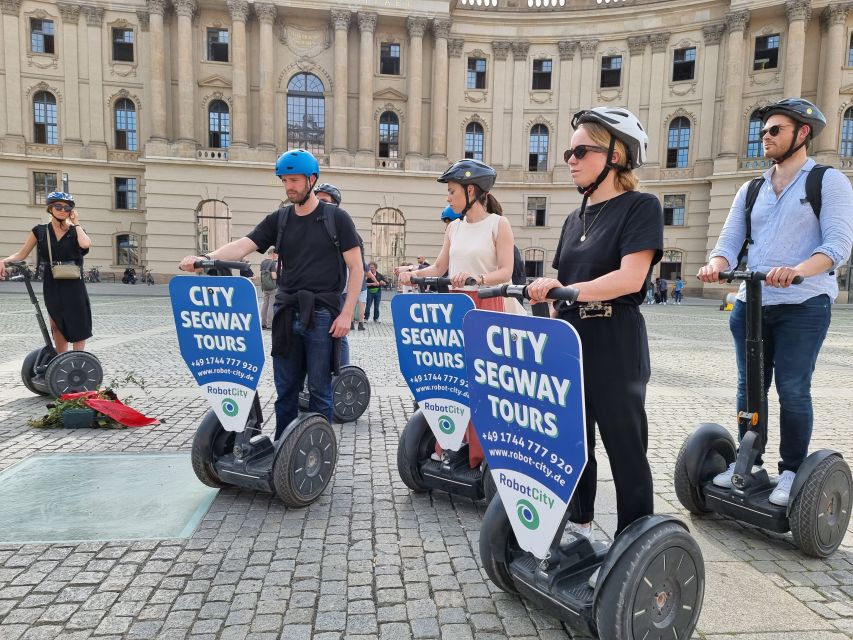
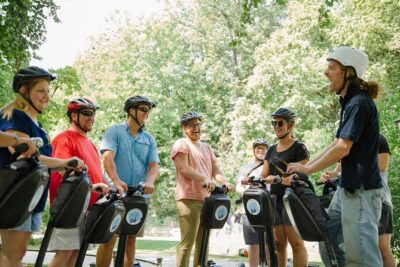
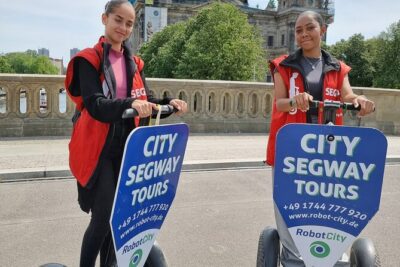
You meet at the Robot City Segway Tour München office, where the guide provides the Segway and helmet. The tour begins with a safety briefing and hands-on practice rather than sending you straight into city traffic.
That opening session is one of the most important parts of the experience. Several riders had never used a Segway before, yet they were able to set off after receiving instruction and practice. Guides including Abdel and Jamal have been praised for being calm, careful, and willing to help people who need extra time.
You control the machine by shifting your weight. That sounds simple, but the first few minutes can feel strange. Give yourself permission to move slowly. A confident rider will enjoy the freedom much more than someone who tries to rush through the training.
The tour is limited to 10 participants, though the exact number on your departure may be smaller. One couple had a private-feeling outing, while another group of four found the instruction easy to follow. A small group also means you can ask questions without shouting across a crowd.
Königsplatz and Odeonsplatz: Munich’s grand public face
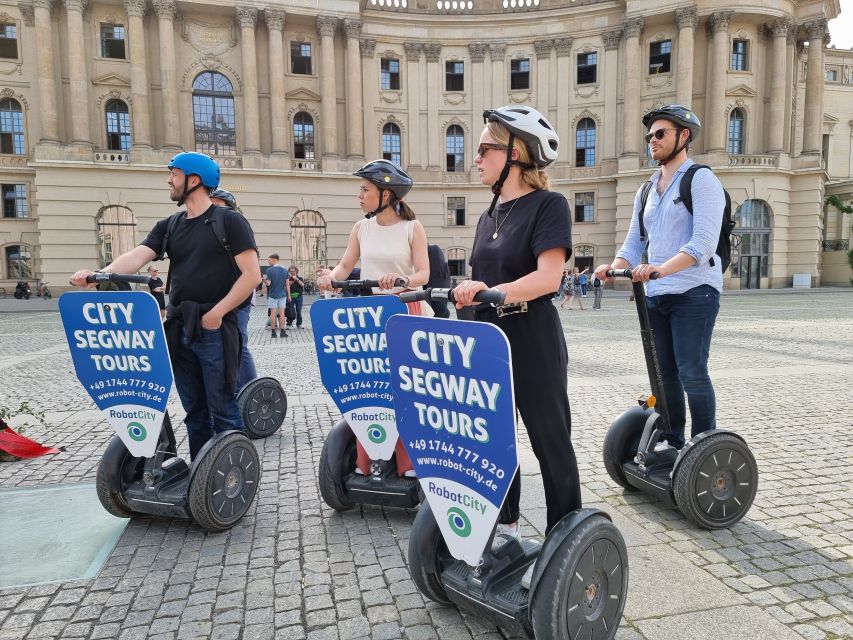
Once the group is ready, the route moves through central Munich. Königsplatz is one of the city’s most important monumental spaces, and it helps explain why Munich became such a useful setting for Nazi public events. The wide square and imposing architecture were used for political display, not just civic decoration.
The tour then includes Odeonsplatz, another major square tied to Munich’s political past. Your guide discusses the city’s role during the Nazi period while pointing out buildings and sites along the way.
This is where the Segway has a practical advantage. You can cross more of central Munich in a short time, stopping at several locations without spending the whole morning walking between them. Still, the amount of detail depends partly on the guide. One rider wanted more explanation of certain sights, including the archway at the end of Leopoldstrasse, so do not expect a specialist lecture on every building you pass.
The commentary is best understood as a city overview. You get the main connections and locations, then you can return later to the places that interest you most.
Hitler’s former apartments and his rise in Munich
The tour makes stops connected with Hitler’s time in Munich. You see the location of his apartment from 1920 to 1929 and another apartment associated with him in 1933. These are not grand museum interiors. Their value comes from understanding how his life and political career were tied to the city.
Your guide explains the period when Hitler lived in Munich and traces his rise to power. That context turns ordinary-looking streets into places with a darker political meaning. The tour does not treat these addresses as celebrity attractions. Instead, they help show how political movements grow within a real city, among regular streets, meeting places, offices, and public squares.
The Brown House and the Führer’s Building add to that picture. They point to the structures and institutions connected with the Nazi movement in Munich. Seeing several locations in sequence is useful because it gives you a sense of scale. You are not viewing one isolated memorial. You are following a network of places tied to political organization and propaganda.
If World War II history is your main reason for visiting Munich, this section will likely be the strongest part of the route. If you want extensive archival detail, however, you should treat the Segway tour as an introduction rather than a substitute for a dedicated museum or memorial visit.
Same streets, another route to glide:
- Munich: City Highlights Guided Segway Tour
★ 4.5 · 161 reviews - Munich’s Highlights 3-hour Segway Tour
★ 5.0 · 76 reviews - Munich Classic City Segway Tour (English or German Guide)
★ 5.0 · 65 reviews - Munich: Beer Stories Guided Segway Tour
★ 4.5 · 31 reviews
The Old Synagogue site and the cost of memory
The stop at the site of the Old Synagogue brings the tour’s subject into sharper human focus. Here, the guide discusses what happened in Munich during World War II and addresses the destruction of Jewish life in the city.
This stop is important because it prevents the tour from becoming only a study of Nazi offices and political personalities. The story also includes the people and communities harmed by the regime. The setting gives the guide a place to explain the effects of persecution in Munich, not just the machinery of power.
Expect a serious tone here. The tour uses a moving vehicle, but its subject is not light. A good guide needs to balance clear facts with respect, and the strongest guides on this route appear to do that while keeping the group attentive.
The amount of information may vary. The tour is designed to cover several locations in three hours, so each stop has a practical time limit. You will hear the central story, then may want to visit a memorial or museum separately if you want more detail.
Schelling-Salon and an everyday piece of Munich
Schelling-Salon offers a different kind of stop. This pub remained open throughout World War I and World War II, giving the route a glimpse of everyday Munich beside its political history.
I like this detail because it breaks up the sequence of official buildings and Nazi sites. A city is not made only of government offices and monuments. Cafes, pubs, streets, and ordinary meeting places also continue through difficult periods, sometimes carrying on with daily routines while major events unfold around them.
Your guide may also suggest places to return to after the tour. Hofbräuhaus am Platzl, the famous beer hall first built in 1589, is one recommendation. Hofbraukeller, which serves traditional Bavarian food, is another. These suggestions are useful because the tour gives you a quick orientation, not time for a full meal or long indoor visit.
Do not confuse a recommendation with an included stop. Food, drinks, hotel pickup, and hotel drop-off are not part of the $100 price. You return to the guide’s office at the end.
How much city can you really see in three hours?
The three-hour duration is one of the tour’s strongest features. You cover central Munich’s major historical points without spending the entire day on one subject. Riders have found that the route reveals far more of the city than they could manage alone in the same period.
You also pass through parks and use cycle tracks. One rider particularly enjoyed the park sections and felt comfortable on the cycle paths, but found parts of the road riding scary. That is a useful warning. The Segway is not confined to a closed course, so road awareness matters.
Traffic, pedestrians, weather, and local conditions can affect how freely you ride. During Oktoberfest, the city may be crowded, though one couple found that the group could still get around without trouble. In wet weather, the outing continues, but rain can reduce comfort and make the ride less pleasant.
The route may also include less time in the English Garden than some confident riders want. If your priority is open-space riding rather than historical stops, this is not the ideal choice. The tour is built around Munich’s history, with the Segway serving as a fast way to connect the locations.
The guides make the difference
The guide is central to this experience. Abdel receives repeated praise for being friendly, patient, professional, and clear, particularly with people riding for the first time. Jamal is also noted for giving detailed training before taking the group into central Munich.
That pattern matters more than a polished route description. A Segway tour can become stressful if the guide moves too quickly or leaves a nervous rider behind. Here, the strongest accounts describe attentive instruction and a real effort to keep people safe.
The English tours have generally been easy to follow, and German tours are also available. One group had a mix-up connected with language, but the guide arranged for an interpreter to help. That suggests you should confirm your preferred tour language when booking, especially if clear historical commentary is a major reason for choosing this activity.
Do not expect every guide to provide the same depth on every landmark. The core route is consistent, but the detail and storytelling can vary. If you want to ask about a specific building, do so during a stop rather than while riding.
Is $100 per person a fair price?
At $100 per person, this is not the cheapest way to see Munich. A walking tour or self-guided visit costs less, and public transport can take you around the city for a modest fare.
The value comes from combining several services. You get a helmet, Segway, safety training, a live guide, and a three-hour route linking sites that are spread across central Munich. You also save the time and effort of planning the sequence yourself.
I think the price makes the most sense if you want an active orientation and have limited time. It is also useful for couples or small groups who want something more engaging than a standard walking tour. If you already know Munich well, or prefer long, quiet visits inside museums, the cost may feel high.
Free cancellation up to 24 hours before the tour and the option to reserve now and pay later add flexibility. Hotel pickup and drop-off are not included, so you must make your own way to the Robot City Segway Tour München office.
Who should book this Munich Segway tour?
This tour suits adults and older teens who are comfortable trying a new form of transport and want a broad introduction to Munich’s Nazi-era history. It is particularly useful for first-time visitors, World War II history enthusiasts, and anyone who wants to see several central districts in a single morning or afternoon.
It is not suitable for children under 14 or pregnant women. You should also think carefully if you dislike riding near traffic, have poor balance, or want to stop for long periods at each site.
Dress for the weather. Riders have completed the tour in rain, snow, and freezing temperatures, but that does not mean those conditions are pleasant. Comfortable clothing and a willingness to ride outdoors will make a real difference.
Should you book it?
I would book this tour if you want a fast, active introduction to Munich and your main interests are Hitler’s years in the city, World War II, and the way those events shaped central Munich. The patient training, small group size, and three-hour route give it strong practical value.
I would skip it if you want a detailed museum-style history lesson, a relaxed walk with no traffic, or extensive time in the English Garden. For everyone else, it is a lively way to connect important sites, get your bearings, and decide where to return for a closer look.
FAQ
How long is the Munich Third Reich and World War II Segway tour?
The tour lasts three hours.
How much does the tour cost?
The price is $100 per person.
Where does the tour meet?
You meet your guide at the Robot City Segway Tour München office in Munich.
Is Segway training provided?
Yes. The guide gives you a safety briefing and practice with the Segway before the group sets off.
What languages are available?
The tour is available with a live guide in English or German.
How large is the group?
The group is limited to 10 participants.
Is the tour suitable for children and pregnant women?
Children under 14 and pregnant women cannot take part in the tour.
Just added for riders around Munich
- Munich Third Reich and WWII Segway Tour★ 4.5 · 20 reviews
- Munich 2-Hour Segway Tour★ 5.0 · 15 reviews
- Segway tour Munich Beer Stories (3h)★ 5.0 · 3 reviews
- Munich’s Highlights 3-hour Segway Tour★ 5.0 · 76 reviews
- Segway Tour Munich Old Town 3 hours★ 4.5 · 10 reviews
- Beer Testing Segway Tour in Munich★ 3.5 · 2 reviews
- Munich Classic City Segway Tour (English or German Guide)★ 5.0 · 65 reviews
- 2-Hour Segway Discovery Munich Night Tour★ 5.0 · 2 reviews
Munich Segway Tours: how they compare.
Munich 3-Hour Segway Tour: Nazi Munich & Royal Architecture
Read our review →
Munich Classic City Segway Tour (English or German Guide)
Read our review →
Find this segway ride in